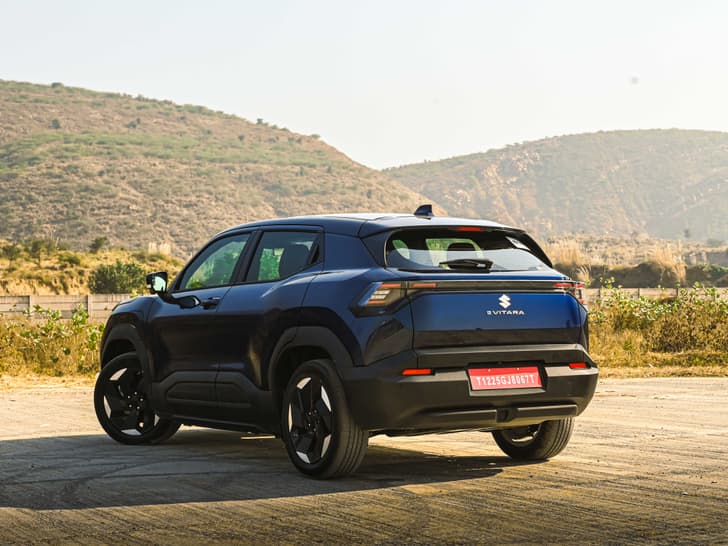
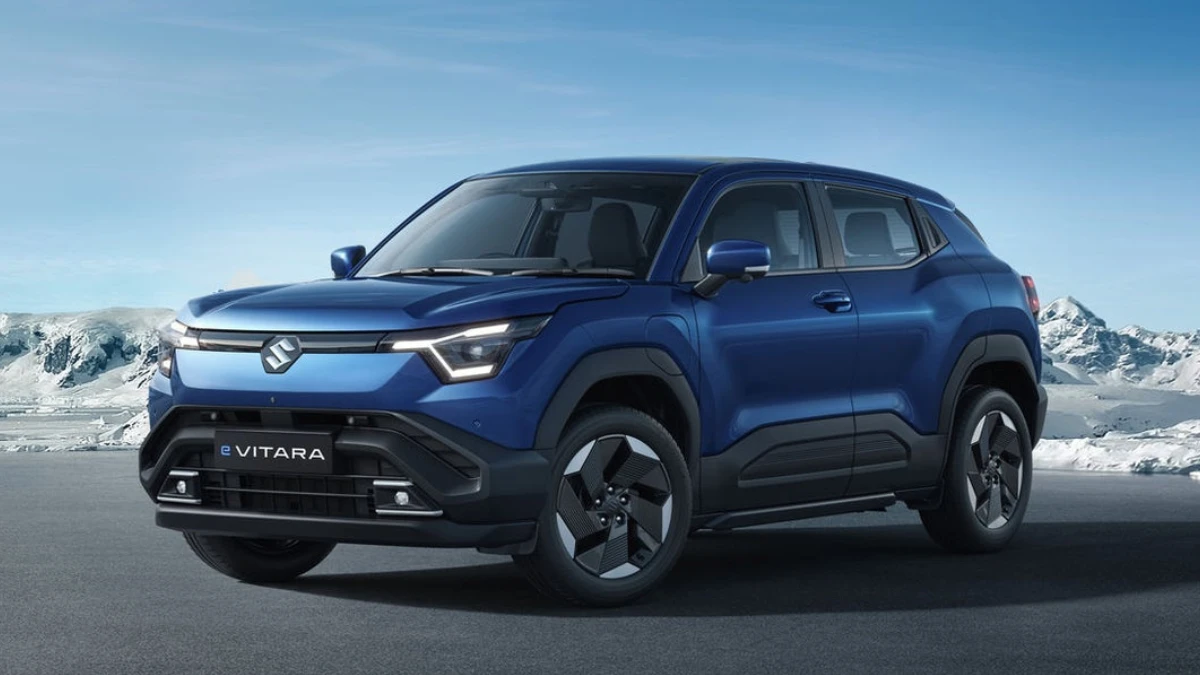
The Maruti Suzuki e-Vitara is one of the most important launches in India’s EV segment. Not only is it the first electric vehicle from the country’s largest carmaker, but it also has the responsibility of making EVs more accessible to the average Indian. Let’s take a look at what this car offers, its strengths and what it can improve upon.
Platform and Drivetrain
The e-Vitara is built on an all-new HART platform. Unlike typical electric vehicles that have a front fascia (front trunk), the e-Vitara does not have a front fascia. The motor powers the front wheels, with an all-wheel-drive variant planned for the future. Its EXL module integrates the inverter, motor and transaxle, which allows for this front-wheel-drive setup but sacrifices front space.
Maruti e-Vitara Exterior design
The e-Vitara measures around 4.3 metres in length, giving it a bold and muscular stance. The black cladding adds to the SUV-like feel, while the overall design remains simple and not overly flashy. It feels practical for everyday use, though those wanting a bold, sporty look may need to look elsewhere.
Interior and cabin space

Inside the cabin, the e-Vitara offers a comfortable and functional experience. The rear seats offer decent knee room, though shoulder room is a bit limited, and thigh support is lacking due to the battery being located under the floor. Rear passengers get access to large armrests and AC vents. Headroom can be tight for taller passengers, which is something to consider.
Up front, the cabin is straightforward with industrial-grade plastics, simple AC controls, and a slightly driver-oriented infotainment screen. The new two-spoke steering wheel is comfortable, and there’s plenty of storage, including a glovebox, armrest compartment and cup holders. The car also has a large fixed glass roof, although it’s fixed so it can’t be opened.
Maruti e-Vitara Boot space
The e-Vitara’s boot can accommodate travel bags and backpacks, although the elevated floor does limit space a bit due to the battery placement.
Driving experience
On the road, the e-Vitara offers smooth, linear acceleration. Its throttle response is responsive, making overtaking easy. The car comes with two battery options, 49 kW and 61 kW, which give a range of around 320-330 km. The ride on the highway feels stable, although small bumps and potholes can make the rear suspension a little firm. Braking performance is strong and confidence-inspiring, thanks to its disc brake setup.
Technology and Features
The e-Vitara offers three drive modes: Eco, Normal and Sport. Regenerative braking can be adjusted via the infotainment screen, though some may find this setup a little less convenient than paddle shifters. The safety and driver assistance features are well calibrated, offering a reassuring driving experience without being intrusive.
Sound and Comfort
High-speed wind and tyre noise can be noticeable, which is a minor drawback. Overall, comfort in the cabin is good, with soft cushioning and adequate bolstering for long drives.
Charging and Ecosystem
Maruti’s extensive service network is a major advantage. During long drives between cities like Lucknow, Ranchi and Varanasi, charging access, especially DC fast charging, was hassle-free. This makes ownership easy and convenient for Indian conditions.