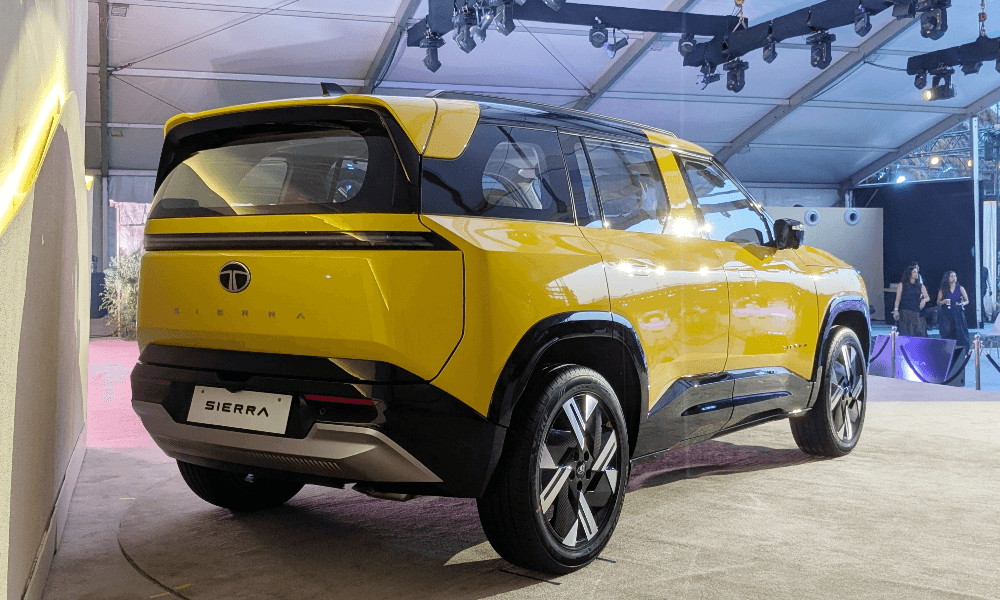
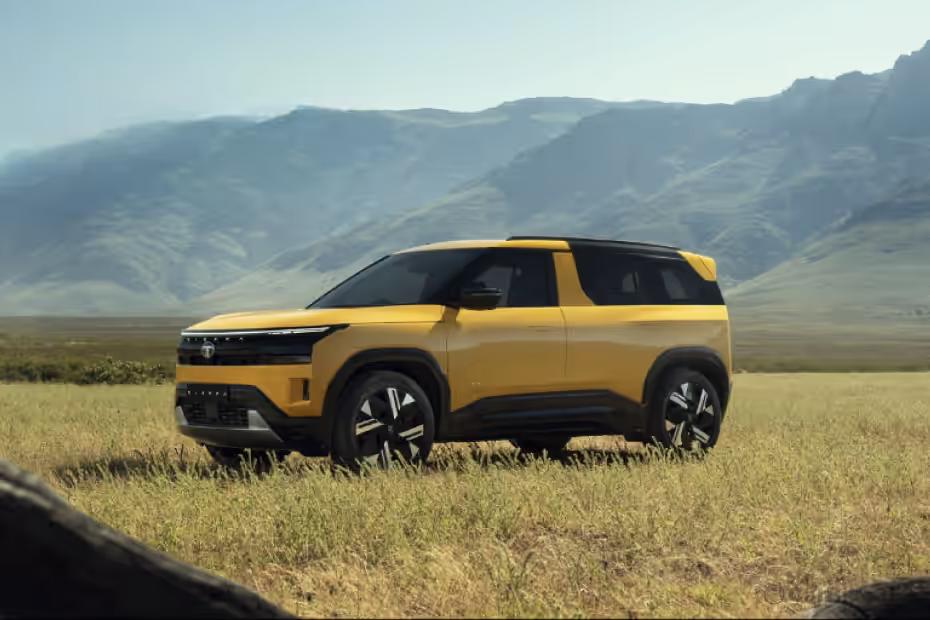
The new Tata Sierra has taken the internet by storm, mostly because of its design and feature list. And honestly, the excitement is justified. The actual experience was surprisingly impressive. In this review, I’ll talk about how the Sierra feels on the road, how its GDi and diesel engines perform, how the gearbox behaves, overall driving dynamics and where Tata has really excelled. We’ll also talk about its road presence, build quality, pros and cons and whether it can really challenge segment leaders like the Creta.
Powerful GDi Engine – Tata’s Most Impressive Yet
The highlight of the Sierra lineup is the 1.5L Turbo GDi “Herion” petrol engine, which produces 158 bhp and 255 Nm of torque. This engine really surprised me. Even though the Sierra is heavier and taller than its rivals, its performance is strong and responsive. A slight push on the throttle is enough to get the car moving confidently.
In Sport mode, the engine note becomes deeper and more engaging, making the Sierra feel more robust than expected. It may not be the fastest in the segment, but it easily comes on par with competitors like the Creta GDi, an impressive feat considering its larger dimensions and weight.
Accompanying this is a 6-speed torque converter automatic gearbox sourced from Aisin. In City mode, the gearbox remains smooth and comfortable, always keeping you in the right gear for everyday driving. It feels a little slow to downshift when you floor it, but Sport mode fixes that immediately. In Sport, shifts are quicker, the car responds instantly, and the paddle shifters work well too. Sure, it’s not as quick as the DSG, but Tata clearly prioritized longevity and reliability, which is a smart trade-off for long-term ownership.
How does the diesel engine work?
The 1.5-litre diesel engine feels familiar, torquey, smooth and capable, but not extraordinary. It’s not designed to be a “diesel rocket”, but it never feels underpowered either. The refinement is impressive, with very little noise or vibration entering the cabin. The same torque converter automatic works well here too.
There seems to be a software glitch affecting the fuel economy displayed during the media drive, which kept showing around 8 km/l regardless of driving style. According to other reviewers and the Tata team, real-world mileage is much better, and this will likely be fixed in production units.
Like most 1.5-litre diesels, this engine feels more lively in smaller 4-metre SUVs (like Tata’s own Nexon 3XO), but in the Sierra, it’s still sufficient for daily and highway use.
SUV Driving Dynamics
Despite being one of the tallest SUVs in the segment, the Sierra handles much better than expected. The steering feels well-weighted at high speeds and inspires confidence. The top variants ride on 19-inch wheels, which offer excellent grip during cornering.
Body roll is very well controlled. Sure, you might feel a little lean during sharp low-speed turns, but at highway speeds, the SUV remains remarkably composed. A big reason behind this stability is the inclusion of Frequency Dependent Dampers (FDD) in the top variants.
How FDD works:
- At low frequencies (turning, hard braking): Dampers stiffen for stability
- At high frequencies (rough patches, broken roads): Dampers soften for comfort
Note:
FDD is only available in the top three variants (Adventure+, Accomplished, Accomplished+). Lower variants may feel different and may not be composed.
What about the naturally aspirated engine?
Although Tata will offer a naturally aspirated petrol engine, it was not available during the media drive. This is unfortunate as the NA engine accounts for a large portion of sales. Brands should include all engine options in drive events so that a fair comparison can be made. For now, the impression of the NA engine is ambiguous.
Road presence – Sierra’s biggest weapon
If there’s one thing the Sierra absolutely dominates, it’s road presence. On the roads, the SUV looks bigger and more premium than any other car around it. Especially from the rear, it almost gives off a small Range Rover vibe.
Its height is almost like an Innova, and the straight bonnet and high seating position give you a commanding, SUV-like feel. The continuous LED light bars at the front and rear look premium and are standard from the base variant onwards. Add alloy wheels and even the base model will look close to the top trims.
This strong road presence will be a key selling point in India, where buyers prefer tall, imposing SUVs.
Interior Experience
The front seats are supportive, with extendable thigh support, great even for tall drivers. The rear seats offer segment-best legroom and a smooth, cushioned ride.
The screens are sharp and bright, the touch response is good, and the cabin offers a modern look.
However, there are a few things that could have been better
- The touch panel for climate and controls requires you to take your eyes off the road
- The steering wheel buttons sometimes get accidentally pressed
- The passenger-side third screen feels unnecessary
- The wide B-pillar creates a slight blind spot
- The front seats could be a little soft
On the positive side, Tata has actually improved the build quality. The panel gap is consistent and much tighter than before, which customers used to complain about.
Who should consider buying a Sierra?
To be honest, almost everyone in the C-segment is looking for an SUV.
The Sierra checks almost every box that buyers want
- Strong engine
- Confident dynamics
- Premium design
- Impressive road presence
- Spacious and comfortable cabin
- Loaded features
- Elevated seating position
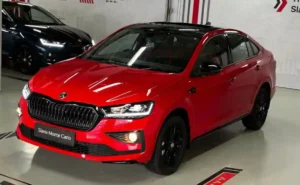
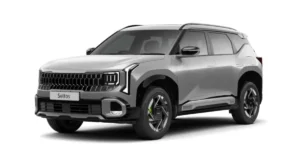
It will appeal to traditional Creta owners, Seltos buyers, Kushaq/Taigun customers and even some body-on-frame SUV buyers who want the “big SUV feel” without compromising on ride comfort.