Welcome to carsjovo. The automotive world is changing rapidly. New technology comes out every year, and consumer demands are constantly changing. Sadly, this progress also means we are losing some legendary machines. Many iconic cars ceased production by 2025 or early 2026, closing chapters that enthusiasts truly loved.
In this article, we will take a look at seven legendary cars that were discontinued before or during 2026, based on the information provided. Each car earned respect through performance, design, or an emotional connection with fans. Now, these iconic cars enter automotive history.
BMW M8 – The Powerful Luxury Beast That Has Lost Market Ground

The BMW M8 represents the best of high-performance luxury. BMW introduced it in June 2019, first as a convertible and then as a coupe and grand coupe sedan. All versions had a strong blend of performance and design.
Under the hood, BMW has installed a 4.4-liter twin-turbocharged V8 engine from the S63 series. This motor produces 617 horsepower and 750 Nm of torque. BMW paired it with the xDrive all-wheel drive system, which provided power to all four wheels. The result looked explosive. The M8 accelerates from 0-100 km/h in just 3.2 seconds, which firmly places it among serious performance machines.
The car also impressed buyers with its bold design. Many enthusiasts loved its aggressive styling and luxurious interior. However, strong internal competition became its biggest challenge. BMW offered alternatives like the BMW M5, which offered similar performance with greater everyday practicality and a lower price.
Sales gradually declined. As demand waned, BMW discontinued the two-door M8 Competition model in 2025. The four-door Grand Coupe remained available but had a weak market presence. Ultimately, the M8 reached the end of its life cycle. Performance fans still remember it as a refined yet brutally fast luxury coupe.
Nissan GT-R R35

Low-performance cars like the Nissan GT-R R35 made an impact. Nissan unveiled the sixth-generation GT-R at the 2007 Tokyo Motor Show, and it quickly earned the nickname “Godzilla.” It shocked the industry by bringing supercar performance to a relatively accessible level.
The GT-R featured a 3.8-liter twin-turbocharged V6 engine that produced 473 horsepower at launch. Over time, updates increased output, with later versions reaching 542 horsepower. Nissan paired this engine with advanced technology, including active suspension, ATTESA all-wheel drive, a dual-clutch transmission, and launch control. These systems helped the car achieve impressive acceleration records.
The GT-R R35 became famous for combining raw performance with everyday drivability. It also set a record in 2009 as one of the fastest-moving four-seat production cars. Over the years, Nissan sold many units, and the GT-R became a dream car for countless enthusiasts.
Production slowed down in 2024, and Nissan introduced the Final Edition R35 to loyal fans. By 2025, the company officially discontinued the model. After being on the road for nearly two decades, the GT-R R35 left a huge legacy in the world of performance cars.
Porsche 718 Boxster and Cayman
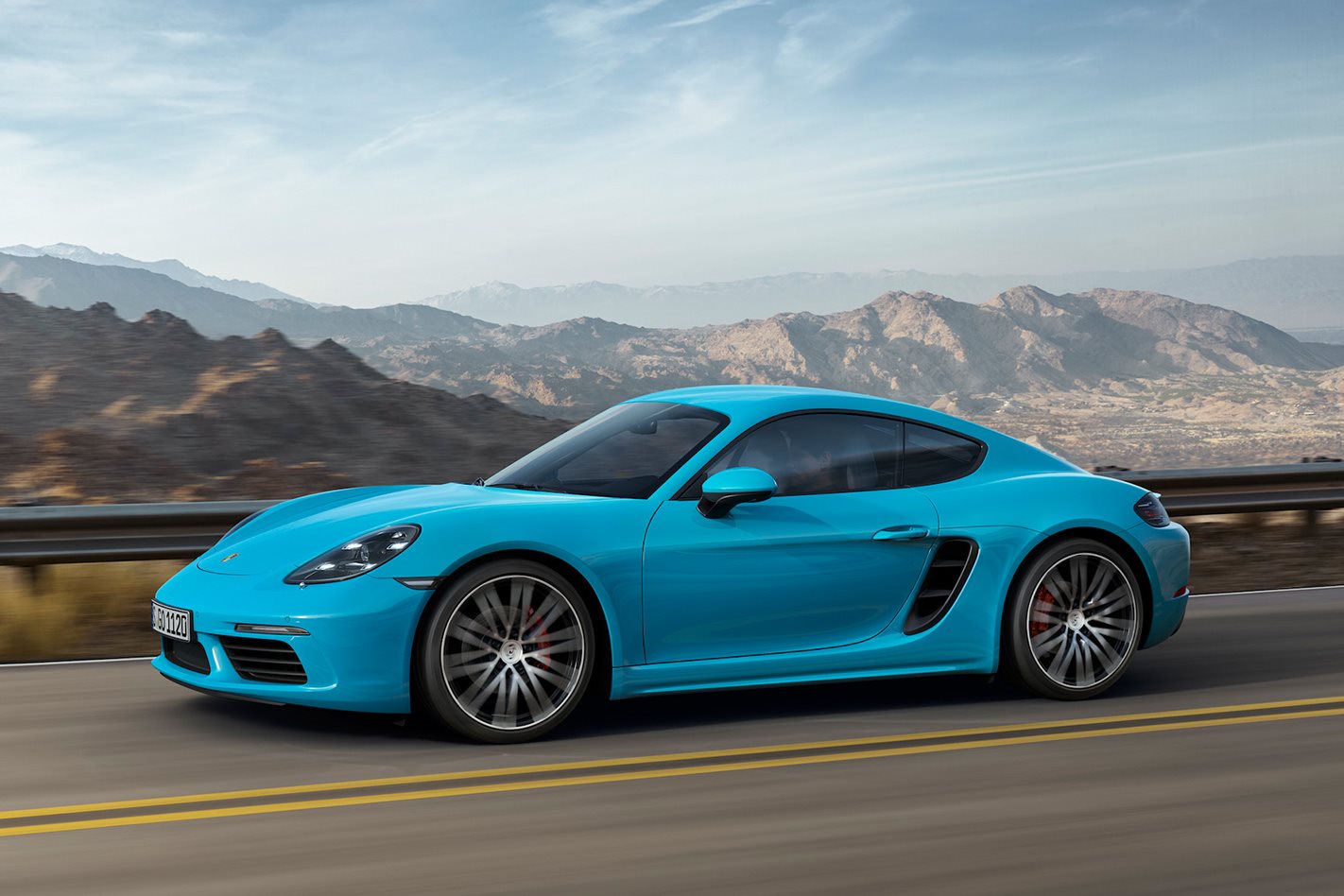
The Porsche 718 series, which includes the 718 Boxster and 718 Cayman, offers pure sports car driving experiences. Porsche introduced the Boxster in January 2016 and followed shortly after with the Cayman. Both models delivered exceptional handling and performance.
Buyers could choose from multiple engines:
- A 2.0-liter turbo flat-four with nearly 300 horsepower
- A 2.5-liter turbo flat-four producing nearly 350 horsepower
- A 4.0-liter naturally aspirated flat-six in GTS models with 400 horsepower
- The RS version reaching 500 horsepower
The main difference between the two came in the body styling. The Cayman featured a hardtop coupe design, while the Boxster offered a soft-top convertible for open-air driving.
Both cars retained strong performance dynamics and driving pleasure. However, Porsche has decided to focus on electric vehicles. The company had previously stopped taking orders and officially moved to discontinue the combustion-engine version of the 718 lineup.
The decision marked the end of an era for enthusiasts who preferred naturally aspirated engines and manual sports cars. The 718 series is now one of the last classic Porsche sports car generations to be powered by conventional engines.
Jaguar F-Pace – The stylish SUV that gave Jaguar speed.
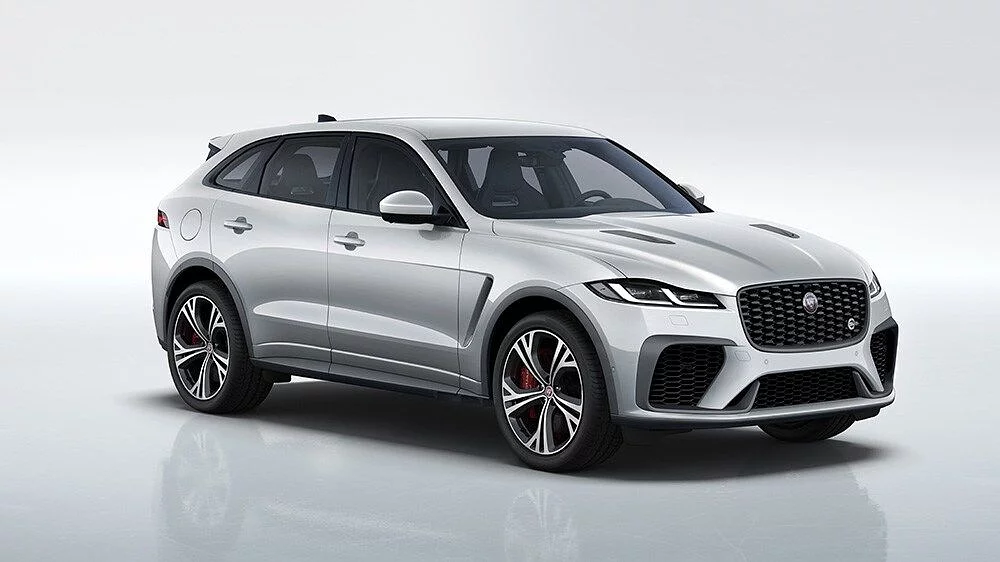
The Jaguar F-Pace (referred to as FPS in the given material) was launched in 2015 and became Jaguar’s first SUV when it was launched in 2016. It quickly gained attention for its sporty handling, premium design and strong performance.
Early versions offered powerful engines, including V6 diesel options and a 5-liter turbocharged V8 petrol engine producing 500 to 550 horsepower. Later updates introduced mild-hybrid systems that improved efficiency and practicality for daily driving. Jaguar also equipped the SUV with all-wheel drive for better usability.
The F-Pace emerged as one of Jaguar’s best-selling models. Buyers liked its balanced combination of performance, comfort and attractive design. Many enthusiasts also ranked it among the most attractive luxury SUVs on the market.
Despite its strong qualities, Jaguar decided to shift its entire brand towards electric vehicles. The company discontinued its combustion lineup, and by the end of 2025, the F-PACE would also cease production. The move officially marked Jaguar’s transition to an all-electric future.
Toyota Supra Mk5 (GR Supra)
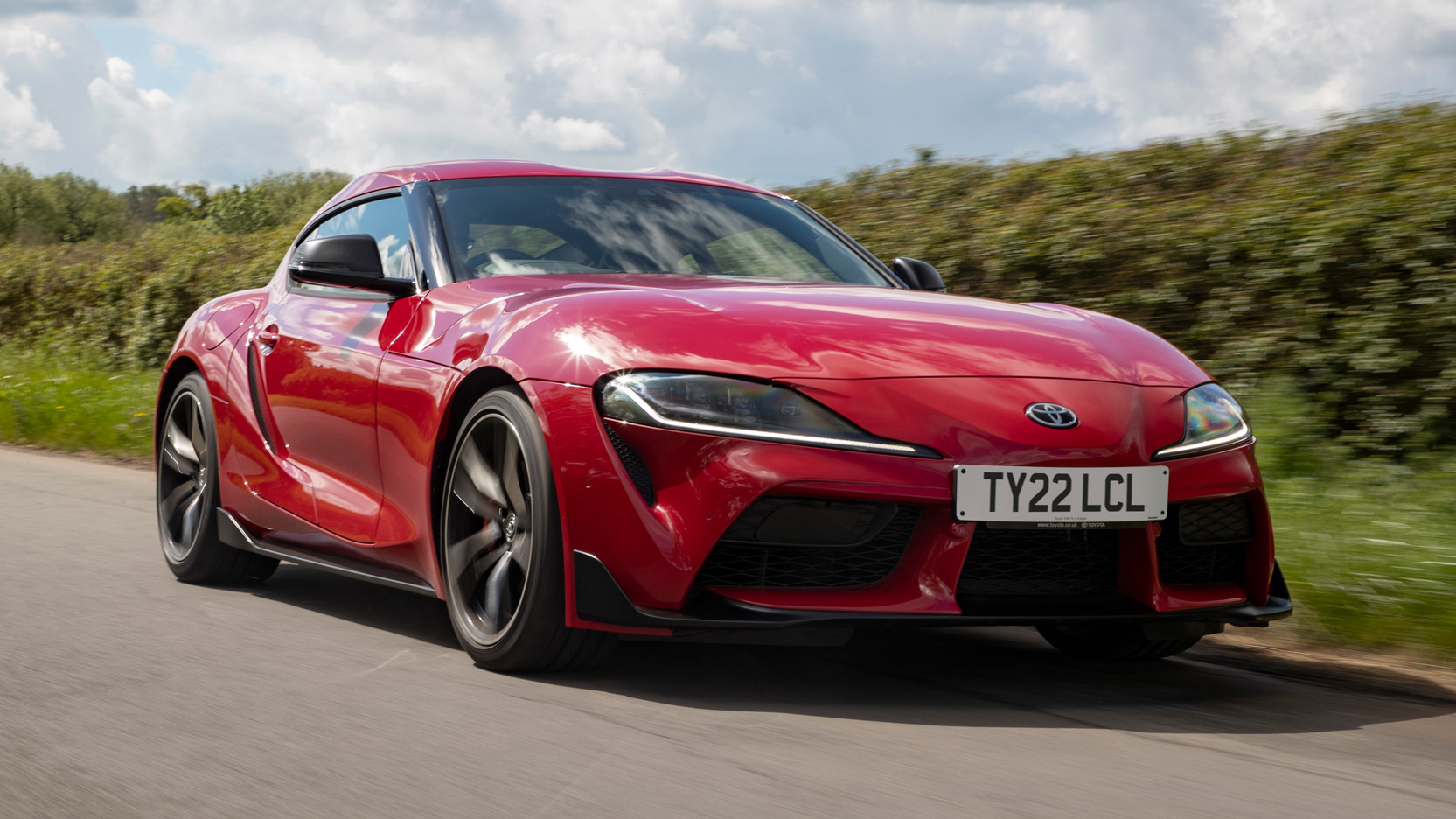
The Toyota Supra Mk5, also known as the GR Supra, returned in 2019 after a long hiatus following the legendary Mk4 generation. Toyota jointly developed the car with BMW, and the two companies shared engineering expertise.
Toyota offered two engine options:
- A 2.0-liter turbocharged inline-four with 255 horsepower and 400 Nm of torque
- A 3.0-liter inline-six producing 382 horsepower and 500 Nm of torque
Due to the strong power-to-weight ratio, the Supra achieved a 0-100 km/h time of between 4 and 4.5 seconds. The car gained popularity among enthusiasts worldwide, especially in the United States. While it never matched the cult status of the Mk4’s legendary 2J engine, the Mk5 still has a loyal fan base.
Toyota announced that production would cease in March 2026. The company introduced a final edition limited to 300 units, giving enthusiasts one last chance to buy a new Supra. With this announcement, the GR Supra officially set to leave production.
Read About : 2027 All-New Toyota Corolla Revealed : Sporty Supercar-Inspired Design
BMW Z4 – A roadster that shares its DNA with the Supra
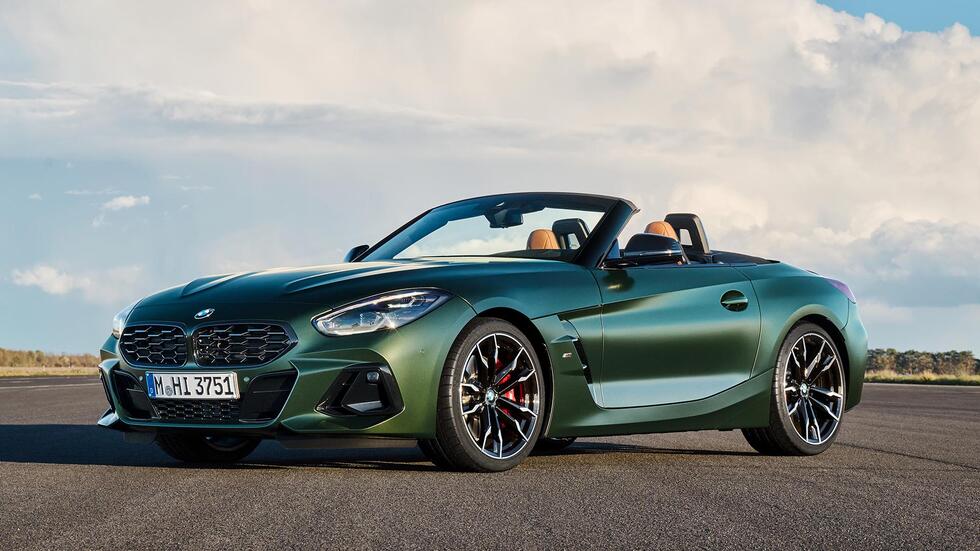
The BMW Z4 represented the classic roadster design. BMW launched the current generation in 2018, developing it with the Toyota Supra Mk5. Both models share the same platform, engine and many mechanical components.
The Z4 offered a traditional two-door roadster layout with a long hood and rear-wheel drive character. Initial sales performed well, but global demand declined in the following years. The decline affected markets around the world, not just India.
BMW plans to cease production around March 2026, similar to the Supra timeline. The company has introduced the Z4 Final Edition, featuring minor cosmetic updates and minor performance improvements. BMW also confirmed that there is currently no direct successor or replacement planned.
As a result, the Z4 is set to leave the stage as the last classic petrol roadster in BMW’s lineup.
The end of an era – why so many icons are disappearing
The automotive industry is now rapidly moving towards electrification and stricter market demands. Many companies are prioritizing efficiency, practicality, and electric technology over exclusive performance models. As a result, many legendary cars have disappeared in recent years.
Even before 2026, brands were discontinuing icons such as the Bugatti Chiron, Audi R8, Lamborghini Huracan, Ferrari SF90, and Chevrolet Camaro. The cars discussed in this article continue this trend. Some lost popularity due to internal competition or declining sales, while others disappeared as manufacturers turned to electric platforms.
Despite their discontinuation, these vehicles remain highly respected among enthusiasts. They represent the final chapters of performance-focused engineering in an era moving toward electrification.