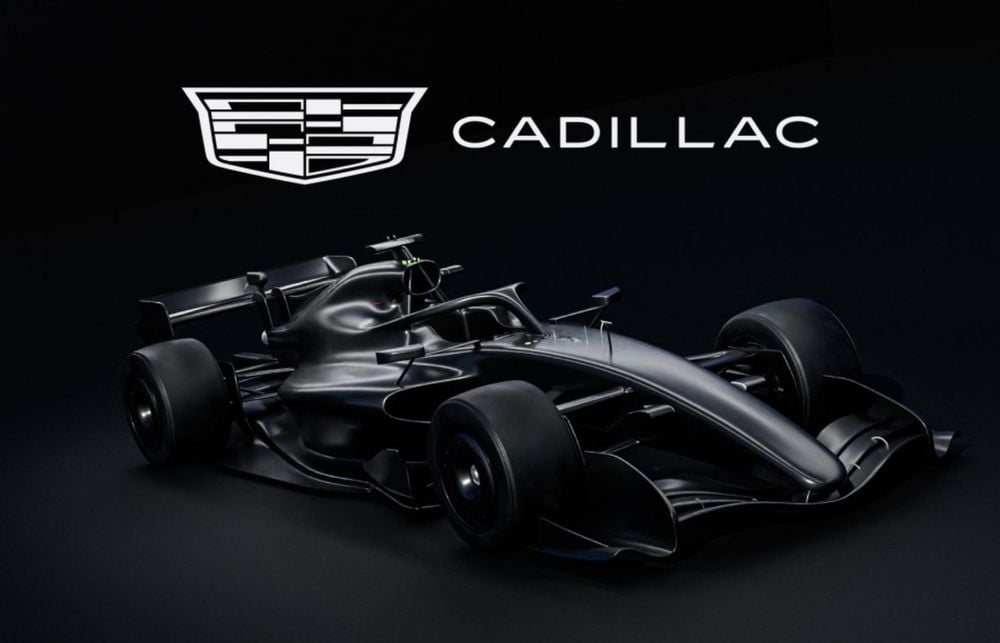
Cadillac’s First Formula 1 Car 2026

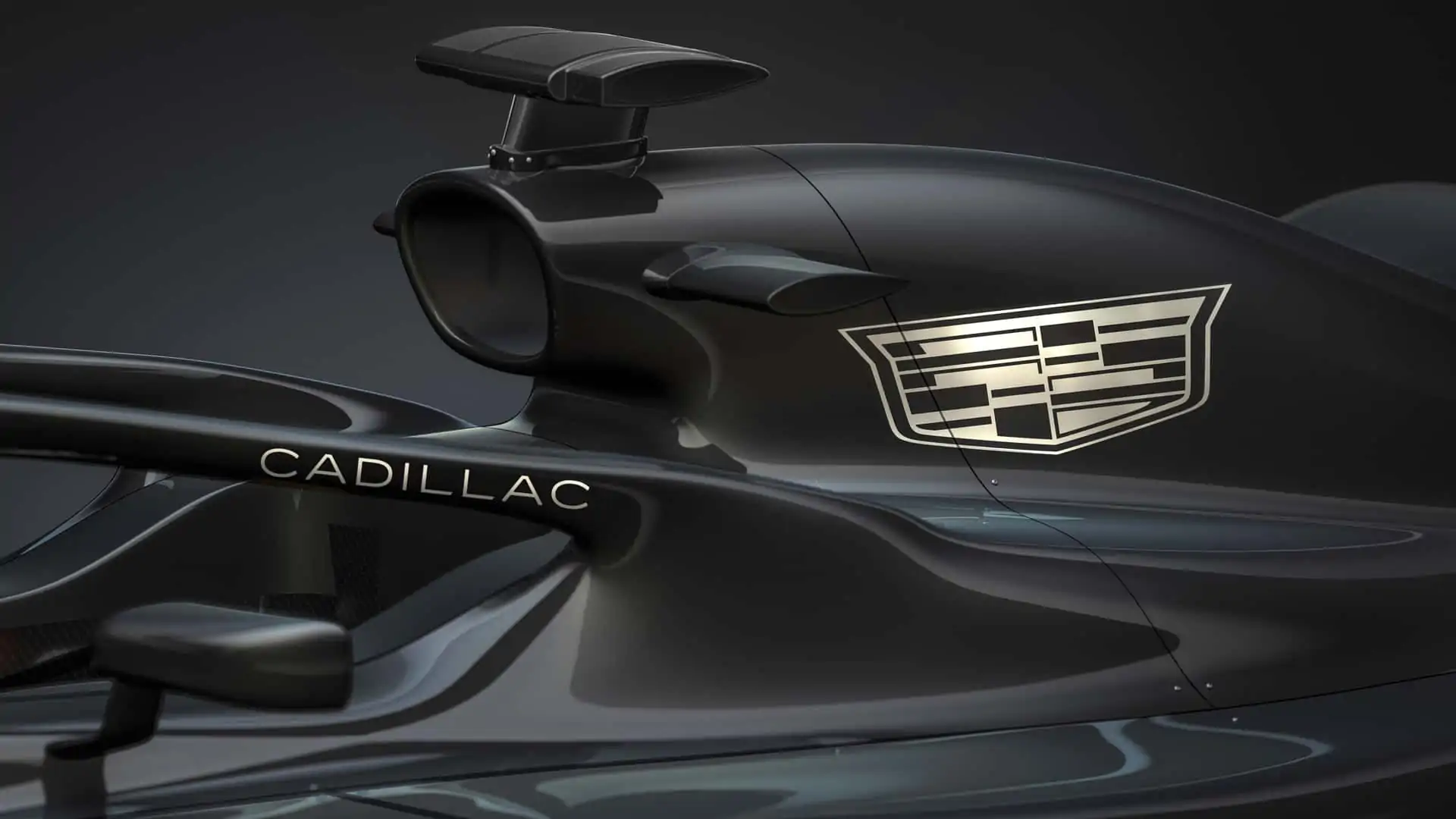
Cadillac F1 car front profile

Cadillac will enter Formula 1 in 2026 as the 11th team on the grid, with a brand-new car built to the new 2026 F1 regulations. The car will initially use a Ferrari 1.6-liter V6 turbo-hybrid power unit and switch to a fully in-house General Motors (GM) engine from 2029.

Many of the finer details (specific chassis name, target final weight, suspension layout, etc.) are still under wraps, but the key specifications have already been defined by the FIA ​​regulations and what Cadillac has officially announced. This article collects everything known so far and attempts to explain it in simple, clear language.

Cadillac F1 quick facts and headline specifications

Team identity

ItemDetails
Team nameCadillac Formula 1 Team
OwnershipGeneral Motors (Cadillac) + TWG Motorsports joint venture
Debut season2026 FIA Formula One World Championship
Initial engine supplierFerrari (customer power units and gearbox cassette)
Own engine from2029 (GM Performance Power Units LLC, FIA‑approved)
2026 race driversSergio Pérez and Valtteri Bottas
Team principalGraeme Lowdon (ex‑Marussia)
Chief Technical OfficerNick Chester (ex‑Renault technical director)
Key engineering advisorPat Symonds (ex‑F1 Chief Technical Officer)
Board memberMario Andretti (1978 F1 world champion)

Facilities

LocationRole
Silverstone, UKMain F1 technical/race base and aero operations
Fishers, Indiana, USAUS team HQ / operations base
Near Charlotte, North Carolina, USADedicated GM Performance Power Units facility from 2026 onwards
Other GM sites (Warren, etc.)Engineering and corporate support

2026 F1 rules, applies to all teams

AreaKey figure / rule
Engine architecture1.6‑litre turbocharged V6 internal combustion engine (ICE) + hybrid system
Total powerStill around or above 1000 bhp (≈750 kW) combined, but with a 50:50 split ICE:electric
MGU‑K electric powerUp to about 350 kW (almost triple current systems)
Manual overrideExtra electric “push‑to‑pass” style battery boost for the following car
MGU‑HCompletely removed from 2026
Fuel100% sustainable, energy‑flow limited instead of simple fuel‑mass flow
Minimum car weight768 kg including tyres (about 722 kg car+driver + ~46 kg tyres)
Dimensions (max)Wheelbase 3400 mm, width 1900 mm (smaller than current cars)
Aero~30% less downforce and ~55% less drag vs current cars; active aero front & rear wings (X‑mode/Z‑mode)
TyresPirelli, 18‑inch wheels; narrower: 280 mm front, 375 mm rear

The Team Behind the Cadillac F1 Car

Cadillac isn’t just buying cars, it’s building a complete F1 operation from scratch with some very experienced people.

Key people

Graeme Lowden : Team Principal
Former Marussia sporting director, now leading the race and operational side of the Cadillac F1 team.

Nick Chester : Chief Technical Officer
Former Marussia technical director who oversaw several generations of F1 cars built by Enstone in the mid-2000s, including the title-winning machinery.

John McQuilliam : Chief Designer
Former design lead at Maru Jordan and Manor, played a key role in turning the rules into real cars.

Pat Symonds : Technical Consultant
Formerly Formula 1’s own chief technical officer and the main architect of the 2022 and 2026 regulations, now advises Cadillac on how to best use the same rules.

Russ O’Blanc : CEO, GM Performance Power Units
Heads the GM-TWG power unit company that will develop Cadillac’s in-house F1 engine through 2029 and beyond.

Mario Andretti : Board Director/Advisor
The 1978 F1 world champion, now on the team’s board under TWG, brings legacy and political weight.

Infrastructure and staff

  • The Silverstone base, which is located close to several other F1 teams, offers access to UK motorsport talent and an established engineering ecosystem.
  • There is a US base at Fishers, Indiana, which is linked to the Andretti/TWG Motorsport hub.
  • A dedicated power-unit facility is due to open in Charlotte, North Carolina, from 2026 for the GM engine project.
  • More than 300 technical staff are already working on the 2026 car in aerodynamics, chassis design, simulation and software.

The structure is designed so that the chassis and future GM engines can be developed as an integrated package, even though the team will initially run Ferrari power units.

Cadillac F1 Car Technical Specifications & 2026 F1 Rules 

Before looking at Cadillac-specific information, it’s important to understand what will change in 2026, as these rules define the car’s basic layout.

Cadillac F1 car Air intake

Chassis & Dimensions Comparisons (2026 vs 2025)

Specification2025 Current2026 New SpecChange/Notes
Wheelbase (Length)3600 mm3400 mm-200 mm (shorter)
Width (Maximum)2000 mm1900 mm-100 mm (narrower)
Height (approximately)~950 mm~920 mmSlightly lower
Floor Width (Maximum)1650 mm1500 mm-150 mm (narrower)
Overall Length~4650 mm~4500 mmShorter overall
Minimum Total Weight798 kg768 kg-30 kg (lighter)
Car + Driver Weight752 kg722 kg-30 kg lighter
Tyre Weight (estimated)~46 kg~46 kgSame weight
Underbody Ground Clearance6 mm minimum6 mm minimumFlat floor vs ground effect

Aerodynamics & Active Wings (2026 vs 2025)

Component2025 Current2026 New Spec
Front Wing Width1050 mm950 mm
Front Wing ElementsMultiple (conventional)2-element flap
Front Wing Active AeroDRS only on straightsMovable Z/X modes
Rear Wing ElementsMultiple fixed elements3 elements
Rear Wing Lower BeamPresentRemoved/Simplified
Active Aero ModesDRS (only when behind)Z-mode & X-mode on all straights
Z-Mode (Downforce)High downforce modeHigh downforce cornering
X-Mode (Low-Drag)DRS activation limitedLow drag on straights
Overall Downforce100% baseline-30% (less downforce)
Overall Drag100% baseline-55% (less drag)

Power Unit Specifications (2026 vs 2025)

Power Unit Component2025 Current2026 New Spec
Engine TypeV6 Turbocharged HybridV6 Turbocharged Hybrid
Engine Displacement1.6 litre1.6 litre
Configuration90° V6 configuration90° V6 configuration
TurbochargerSingle turbochargerSingle turbocharger
Fuel TypeE10 (90% petrol, 10% ethanol)100% Sustainable fuel (e-fuel)
ICE Power Output550-560 kW (740-750 bhp)~400 kW (540 bhp)
MGU-K Power Output120 kW (160 bhp)350 kW (475 bhp)
MGU-H (Heat Recovery)Present (MGU-H)REMOVED (eliminated)
Total System Power~750 kW (1000+ bhp)~750 kW (1000+ bhp)
Power Distribution80% ICE / 20% Electric50% ICE / 50% Electric
Max RPM (Engine)15,000 RPM15,000 RPM
Energy Recovery per Lap~2-4 MJ per lap8.5 MJ per lap (doubled)
Maximum Battery Capacity4 MJ (0.56 kWh)4 MJ (same capacity)
Battery Deployment SpeedLimited deployment zones3x faster depletion

Braking System Specs (2026 vs 2025)

Braking Component2025 Current2026 New Spec
Front Brake Disc Diameter~370 mm max~385 mm max (+15 mm)
Front Brake Disc Thickness~28 mm~28-30 mm
Front Brake Disc MaterialCarbon-carbon compositeCarbon-carbon composite
Front Brake Caliper PistonsUp to 6 pistons2-8 pistons (flexible)
Rear Brake Disc Diameter~370 mm max~260-280 mm (smaller)
Rear Brake Disc Thickness32 mm max34 mm max (+2 mm)
Rear Brake Disc MaterialCarbon-carbon compositeCarbon-carbon composite
Rear Brake Caliper PistonsUp to 6 pistons2-8 pistons (flexible)
Rear Braking Torque RequiredStandard hydraulic only2500 Nm per wheel min
Max Caliper Pressure150 bar typical150 bar max
Brake-by-Wire SystemPresent (hybrid system)Present (refined)
Regenerative Braking RoleMGU-K: ~120 kW recoveryMGU-K: ~350 kW recovery

Tyers & Wheels Specs (2026 vs 2025)

Tyre Specification2025 Current2026 New Spec
Wheel Diameter18 inches18 inches
Wheel MaterialForged magnesium alloyForged magnesium alloy
Front Tyre Width305 mm280 mm (-25 mm)
Rear Tyre Width405 mm375 mm (-30 mm)
Tyre SupplierPirelliPirelli
Tyre CompoundsSoft / Medium / HardSoft / Medium / Hard
Tyre Sidewall (approx)~370 mm~360 mm
Minimum Tyre Pressure Front22.5 psi (1.55 bar)22.5 psi (1.55 bar)
Minimum Tyre Pressure Rear21 psi (1.45 bar)21 psi (1.45 bar)

Fuel & Energy Management (2026 vs 2025)

Fuel & Energy Parameter2025 Current2026 New Spec
Maximum Fuel Load (Race)110 kg110 kg (same)
Fuel Tank MaterialKevlar-reinforced rubber bladderKevlar-reinforced rubber bladder
Fuel Tank Capacity (approximate)~110 litres~110 litres (same)
Fuel TypeE10 (90% fossil, 10% ethanol)100% Sustainable e-fuel
Fuel Octane Rating98-99 RONTBD (to match current)
Fuel Mass Flow Limit100 kg/hour maximum100 kg/hour maximum
Post-Race Fuel Sample Required1.0 litre minimum1.0 litre minimum
Fuel Energy Limit (instead of mass)Mass-based limitEnergy-flow based limit
Maximum Fuel PressureRegulated pressure sensorRegulated pressure sensor
Sustainable Fuel PercentageE10 blend (10% sustainable)100% sustainable (zero fossil)

Cadillac F1 Team 2026 Specific Specs

Cadillac F1 2026 FeatureSpecification / Details
Power Unit SupplierFerrari (Customer)
Power Unit Type1.6L V6 Turbo Hybrid, Ferrari-built
Gearbox SourceFerrari (Customer)
Gearbox TypeSemi-automatic, rear-mounted
Number of Gears8 forward gears + reverse
Chassis DesignIn-house Cadillac design
Chassis SupplierCadillac F1 Team, Silverstone UK
Driver 1Sergio Pérez (Mexico)
Driver 2Valtteri Bottas (Finland)
Number of Chassis Built3-4 chassis per season
Team Base (Technical)Silverstone, United Kingdom
Team Operations Base (USA)Fishers, Indiana (Andretti Global base)
Engine Development TimelineFerrari 2026-2028; Own GM engine from 2029
Chief Technical OfficerNick Chester (ex-Renault)
Team PrincipalGraeme Lowdon (ex-Marussia)
Technical ConsultantPat Symonds (ex-FIA Chief Technical Officer)

​​Manual Override System (Replaces DRS)

Manual Override SystemDetails
System Name (Old)DRS (Drag Reduction System)
System Name (New 2026)MGU-K Override / Manual Override Mode
Activation ConditionWithin 1 second of car ahead (at lap end)
Power Boost Provided350 kW (475 bhp) burst
Boost Speed LimitUp to 337 km/h
Extra Energy Provided+0.5 MJ per activation
Leading Car Power TaperTapers off above 290 km/h; zero at 355 km/h
Following Car Power AvailableFull 350 kW up to 337 km/h
Purpose/BenefitReplaces DRS to improve overtaking
Deployment WindowStrategically available (not just straights)
Driver ControlManual activation with system signal

Safety Features (2026)

Safety Feature2025 Current2026 New Spec
Halo CockpitPresentPresent (reinforced)
Survival CellMonocoque structureStronger structure
Front Impact StructureSingle-stageTwo-stage design (prevents detachment)
Side Impact ProtectionStandardIncreased around cockpit
Fuel Cell ProtectionStandardDoubled side protection
Roll Hoop Load16G20G (stronger)
Test Load141 kN167 kN (+26 kN)
Safety LightsRear onlyRear + lateral (show energy status)

Estimated Cadillac F1 Car Manufacturing Cost

Cost ComponentUSDINR (₹)
Engine (Ferrari)$10,500,000₹ 94.32 Cr*
Chassis$650,000–$800,000₹ 5.84 – 7.19 Crore*
Other Components$5,300,000₹ 47.62 Crore*
Total per Car$16–18 million₹143.4161.3 Crore*
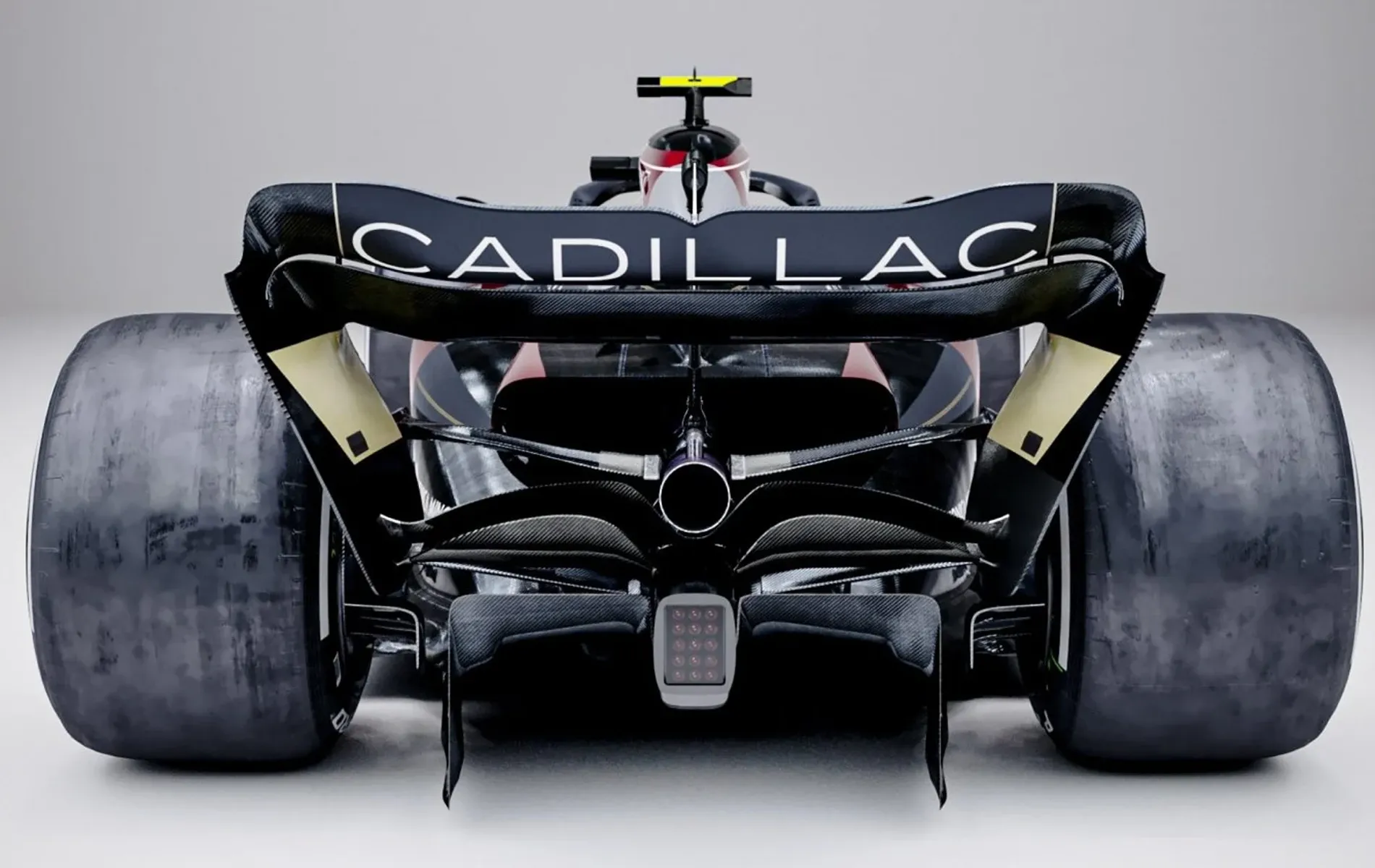
Cadillac F1 car Rear Profile view

Source : Cadillac F1 Team Official

Share Via :

Drive Safe