The Indian electric two-wheeler market had a mixed but interesting year in 2025. On paper, the numbers look impressive. In reality, the story is much more layered.
In 2025, 1.28 million electric two-wheelers were sold in India, the highest ever. The segment grew by 11% year-on-year, and overall EV two-wheeler penetration reached 6.5%. That sounds healthy. But here’s the key: not everyone is winning.
Of these 1.28 million units, nearly half come from companies that are just surviving. Many of them may not exist in the next two years. The market is clearly moving towards consolidation.
This article breaks down who grew, who struggled, and why. We have divided the companies into three clear categories:
- Emerging and struggling players
- Mid-performers
- Top five market leaders
Let’s start at the bottom and work our way up.
Category 3: Niche Players and Strugglers Trying to Break Through
This category mainly includes electric motorcycle manufacturers and a few premium scooter brands. Their products are not bad. Their sales, however, tell a different story.
Matter Energy
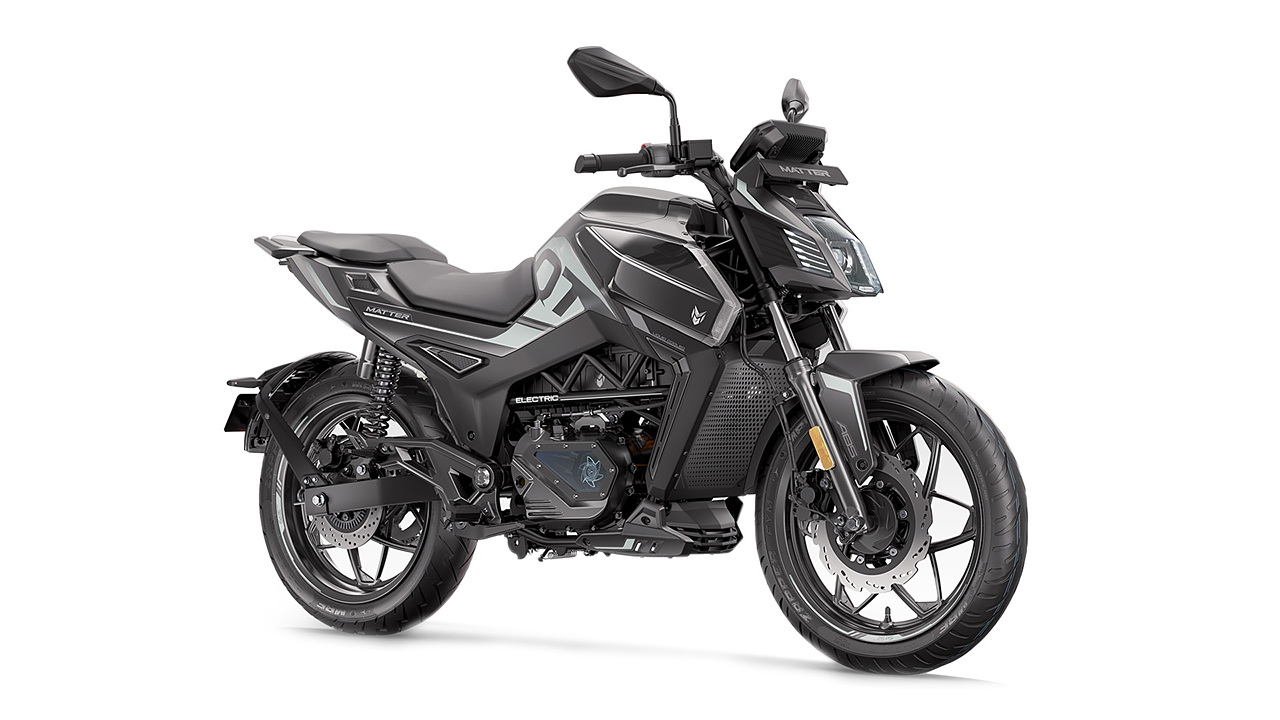
Matter Energy sold only 626 electric motorcycles in the entire year. Early 2025 was particularly weak, with sales dropping to single digits in February and March.
Sales briefly improved in October and November, crossing 100 units, but the momentum didn’t last.
The core issue is pricing. Matter’s motorcycles sit awkwardly between Oben, Revolt, and Ultraviolette. At around ₹1.8–1.9 lakh ex-showroom, buyers expect either strong brand recall or standout performance.
A lower-priced variant with a smaller battery could significantly improve volumes.
Oben Rorr
Oben Rorr averages around 200 units per month, occasionally crossing 300. That’s low for a motorcycle that many consider the best-looking electric bike under ₹1 lakh.
The problem is surprisingly simple: seat size. Real-world feedback shows that the seat feels small and uncomfortable for daily use.
If Oben introduces a commuter-focused variant, sales could change overnight.
Ultraviolette
Ultraviolette sold 1,359 electric motorcycles in 2025. For this premium segment, that’s respectable.
Early sales hovered around 50 units per month. Things changed in November after the launch of the X47, which pushed monthly sales beyond 200.
Electric motorcycles are still a tough sell in India. Considering that, Ultraviolette is doing quietly well.
Revolt Motors
Revolt sold 1,230 electric motorcycles, making it the best-selling electric motorcycle brand in India.
Their portfolio is well-balanced. The RV400 caters to sportier buyers, while the RV1 targets commuters. The switch from a belt drive to a chain drive on the RV1 was a smart move.
Sales dipped sharply in December, but overall performance remains solid in a very difficult segment.
Simple One
Simple One sold 636 electric scooters, but the story lies in the trend, not the total.
Earlier, the brand suffered from overpromising and underdelivering. Over the last 18 months, that changed. The company went quiet, focused on execution, expanded gradually, and improved its product.
Despite pricing around ₹1.5 lakh, sales are rising steadily. Once their family scooter priced near ₹1–1.2 lakh launches, Simple One could easily enter the top 10.
Category 2: Mid-Performers Holding Their Ground
These companies are neither struggling nor dominating. They show steady numbers and strong potential.
Kinetic Green
Kinetic Green sold 13,731 units in 2025. Monthly sales average around 1,200–1,500 units.
The Kinetic Luna is performing well, supported by their scooter lineup. The graph shows consistency, which is rare in today’s EV market.
River Indie
River Indie sold 15,419 electric scooters, and their growth graph is one of the cleanest in the industry.
Sales rose steadily throughout the year, with only a small dip in December. Despite an ex-showroom price of around ₹1.4 lakh, demand continues to grow.
Strong fundamentals, solid planning, and excellent road presence make River a future heavyweight. An entry-level variant could push volumes even higher.
PURE EV
PURE EV sold 17,792 units, securing the eighth position.
Sales were strong early in the year but dropped sharply in November and December. While the products may not excite everyone visually, the company still delivers consistent volume.
BGauss: Growth With Struggles
BGauss sold 22,433 electric two-wheelers.
Their sales pattern is erratic. Spikes followed by drops suggest difficulty in sustaining momentum. Still, reaching seventh place means the brand is doing something right.
Greaves Electric (Ampere)
Greaves sold 56,000 electric scooters, outperforming expectations.
The Ampere Magnus is clearly driving sales. While premium models aren’t very visible on roads, Magnus continues to sell well, averaging over 4,000 units monthly.
Despite intense competition, Greaves has held its ground impressively.
Category 1: The Top Five Champions of 2025
This is where scale, network, and execution matter the most.
Hero Vida
Hero Vida sold 1,08,000 electric scooters, capturing 8% market share.
Sales jumped from 1,600 units in January to 16,000 units by October–November. That growth is no accident.
Affordable pricing near ₹1 lakh, removable batteries, and Hero’s massive dealer network created the perfect formula.
Waiting periods of up to two months show just how strong demand is.
Ola Electric
Ola sold 1,97,000 electric scooters, holding 15% market share.
Once a 50% market leader, Ola peaked in January. Sales steadily declined, hitting lows of around 8,000 units in November and December.
The reason is well-known: service quality and network issues. Rapid expansion without service depth hurt customer trust.
A comeback looks difficult, though not impossible.
Ather Energy
Ather sold 1,99,000 electric scooters, narrowly beating Ola.
The real game-changer was the Rizta family scooter. Once Rizta launched, Ather’s sales surged to nearly 28,000 units per month in October–November.
Had Rizta launched earlier, numbers would have been even higher. Hero’s backing and improved affordability played key roles.
Bajaj Chetak: Strong, But Tested
Bajaj sold 2,67,000 electric scooters, holding 20% market share.
The company faced multiple challenges in 2025, including rare earth magnet shortages and battery-related concerns.
August was particularly bad, with Bajaj slipping to fifth place. Still, the comeback was strong, and October sales crossed 30,000 units again.
TVS iQube
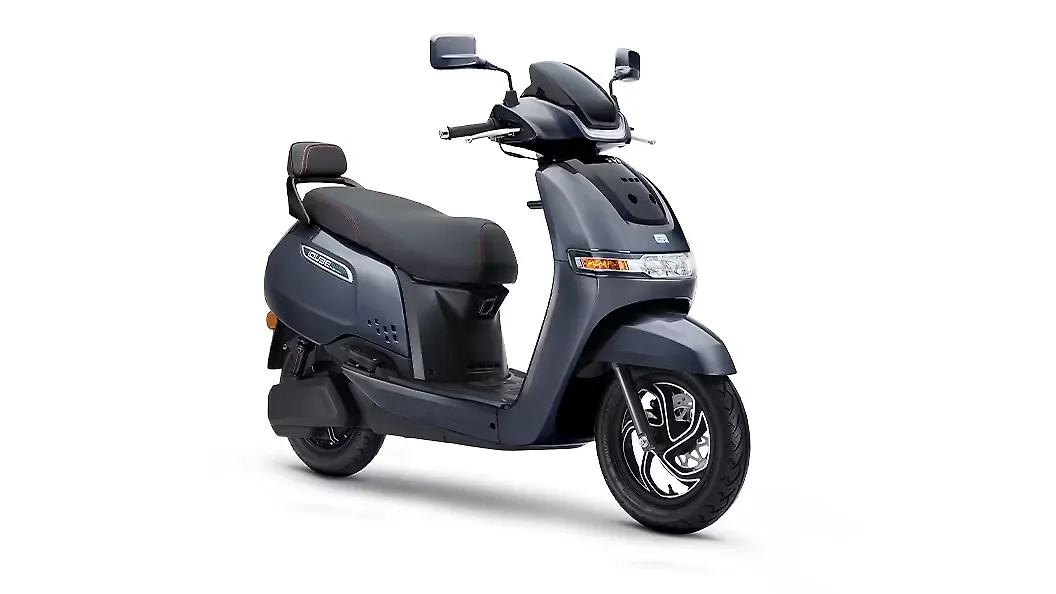
TVS emerged as number one with 2,97,000 electric scooters sold and 23% market share.
Their sales never collapsed. The graph stays consistently high, showing deep market acceptance.
The launch of newer variants and strong dealer support pushed TVS ahead. The iQube’s hub-motor setup and balanced pricing worked in its favour.
Industry Reality Check: Growth Despite Headwinds
The EV two-wheeler industry faced serious challenges in 2025:
- GST changes
- Rare earth supply shock
- Reduced subsidies
Yet, the market still grew 11%.
Subsidies will end completely by March 2026. Many subsidy-dependent players will exit. From nearly 100 companies, the market may shrink to 30–50 serious brands.
That’s not a crisis. That’s maturity.