Maruti Suzuki E-Vitara, Maruti finally makes electric car and will launch it in India soon
A car is being built in India, the Maruti Suzuki E-Vitara. While it hasn’t been launched in India yet, Suzuki has introduced it in the UK first, and this is Maruti’s first electric SUV in India.
Exterior design: Sharp and modern
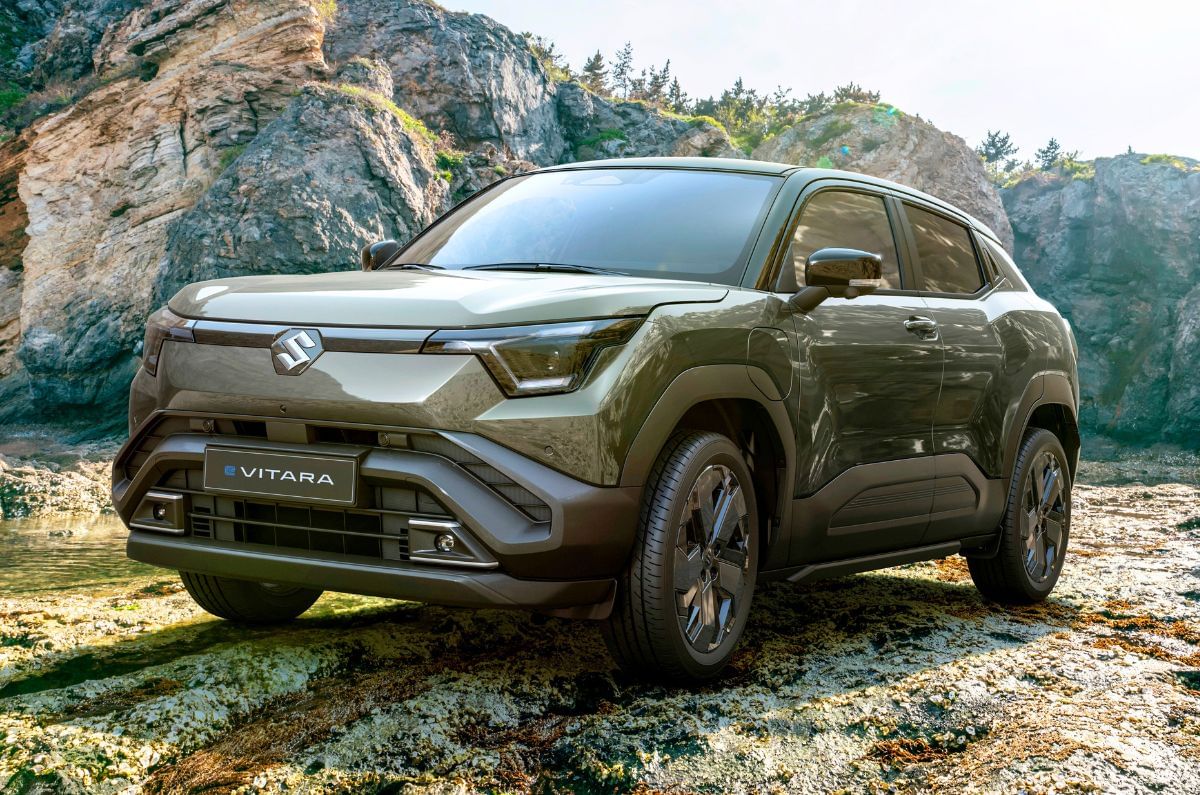
At first glance, the E-Vitara looks strikingly bold. The design is angular and muscular, with sharp lines running across the body, giving it a strong stance. Suzuki also calls it the “Metal Beast”, and that name fits well. Unlike most Maruti cars, there is no internal combustion engine version, it is built and designed from the ground-up EV, and it shows.
From the side, the design is slightly reduced, with sharp shoulder lines and a hidden rear door handle for a clean look. The rear continues the edgy theme with protruding tail lamps that blend nicely into the fenders. Interestingly, Suzuki hasn’t used a connected light bar here, and honestly, it’s refreshing to see something different since connected taillights have become so common lately.
Boot and practicality
The eVitara offers around 350 litres of boot space, and when it’s not powered, it’s easy to open and access. The seats fold in a 40:20:40 split, allowing for flexible storage options. Suzuki has also added small cup holders in the middle when the seats are folded, which is a thoughtful touch.
Rear seat space: Mixed experience
The rear seat is a bit of a mixed bag. Legroom is generous, but headroom is tight, especially for passengers taller than 5’10”. The floor is raised with the battery below, resulting in a slightly knee-deep seating position. On the plus side, the rear seats are slidable, allowing you to adjust for more legroom or luggage space.
The tan-and-gray upholstery feels premium, with a mix of leather and fabric materials. This version is expected to make it to India, and it adds a nice upmarket vibe to the cabin.
Front cabin and features

Inside, the cabin feels modern and well-built. The steering wheel is an interesting “circular” design, a mix between square and circle, and is wrapped in leather. The dashboard features wide glass panels housing two separate screens, though they aren’t perfectly aligned, which might annoy those who prefer perfect symmetry.
Other highlights include physical buttons and dials for climate control and volume, a welcome change from the all-touch interface. You also get a wireless charger, 360-degree camera, power driver seat, panoramic sunroof, and a premium Infiniti-branded audio system. Safety is well taken care of, with seven airbags and a full ADAS suite.
Battery, Performance, and Driving
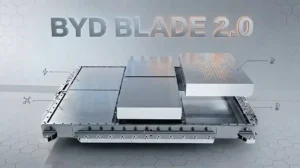
The eVitara uses LFP blade batteries, and globally comes in two main configurations:
- 144 hp (single motor, FWD) with 49 kWh battery
- 174 hp (dual motor, AWD) with 61 kWh battery
The power delivery in the eVitara 61 kWh AWD model is smooth rather than aggressive. Even in Sport mode, it doesn’t push you back in the seat, but that’s intentional, Suzuki It’s tuned for everyday comfort and efficiency rather than sheer performance.
Regenerative braking can be adjusted via the touchscreen, but you have to confirm the level via a button on the console, a bit inconvenient but manageable.
For the eVitara’s range, Suzuki claims it offers over 500 km, though the WLTP figure is closer to 420 km. Actual figures for India should be confirmed at launch.
Ride and handling
The eVitara uses MacPherson struts at the front and a torsion beam** at the rear, which is typical for this segment. The suspension setup feels firm, and very European, which gives it excellent stability at high speeds but makes it a little harsh over bumps. The car feels solid and stable, though there is a bit of road noise when it comes to rough surfaces.
Verdict: A new chapter for Maruti
Maruti The Suzuki eVitara is a big step for India’s largest carmaker. It’s not your typical Maruti, and that’s a good thing. The interior feels premium, the design looks quite different, and it’s packed with features. Space could be better, and the ride could use some tuning for Indian roads, but overall, the eVitara looks promising.
Pricing will be crucial. The base 49 kWh version is expected to start at around ₹17 lakh in India, which is a bit more than the upcoming Hyundai Creta EV. The top 61 kWh version could go for ₹24 lakh, which is a bit more than the top variant of the Creta EV.