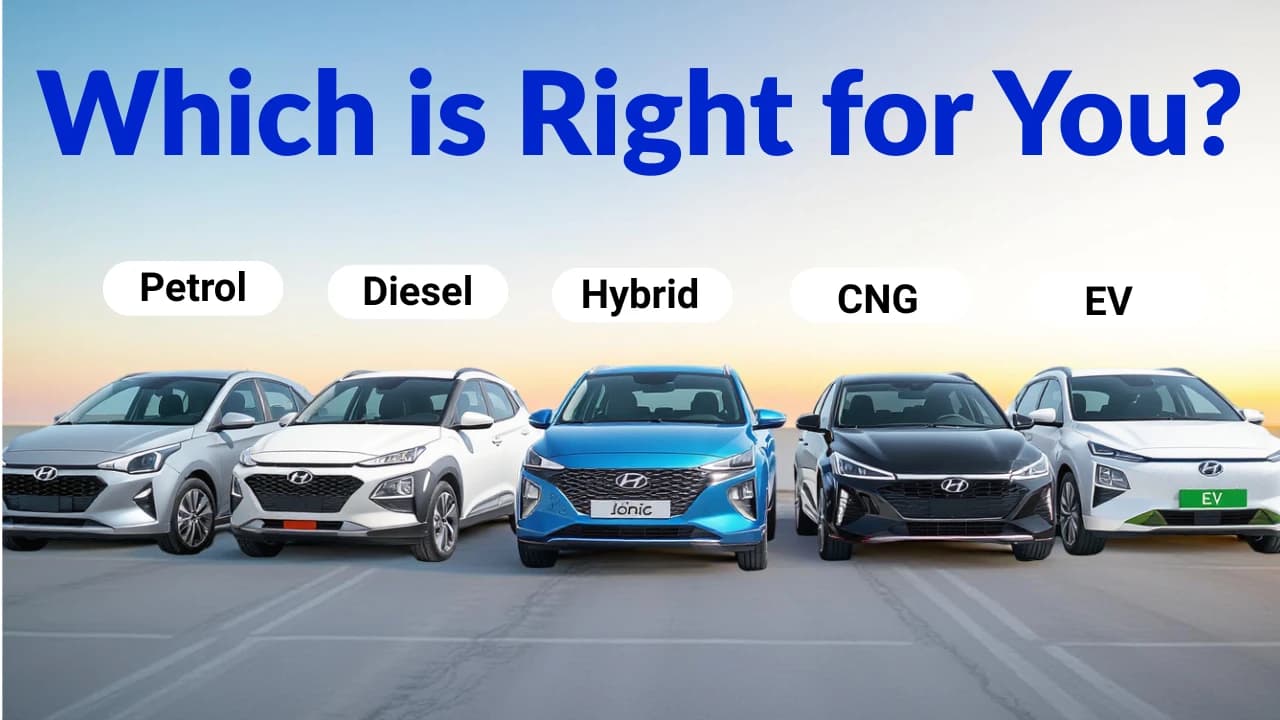
The Indian automotive market has seen major changes recently. With the new GST reforms, revised prices and evolving technologies, choosing between petrol, diesel, hybrid, CNG and EV cars in 2025 has become more confusing than ever. So, let us make things a little easier for you. We have compared them based on mileage, GST impact, maintenance, resale value and long-term ownership cost. So that you can decide which fuel type suits your lifestyle best.
Petrol Cars : Affordable and practical
Petrol cars remain the most affordable and practical choice for buyers on a budget. Post GST reforms, entry-level petrol models are now cheaper than ever, with some available for under ₹5 lakh (on-road). If your daily driving is around 25-30 km or your budget is under ₹10 lakh, a petrol car can make perfect sense.
They are easy to maintain, offer decent resale value, and are ideal for city commuting and occasional highway drives. For those who want a simple, reliable car ownership experience, a petrol car can be a safe and smart choice.
Diesel Cars : Powerful and efficient
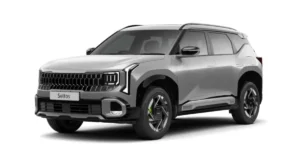
Diesel cars are once again gaining popularity due to the GST reforms, with the highest GST benefit also falling on diesel cars, which has led to a price reduction of up to ₹1.9 lakh. Models like the Tata Nexon Diesel and Kia Seltos Diesel now offer excellent value for money.
Diesel engines produce 30-40% better mileage and more torque, making them suitable for long-distance and highway driving. However, diesel cars require a bit more care, with some models requiring AdBlue top-ups and regular long drives to keep their DPF (diesel particulate filter) clean.
If you drive more than 40-50 km per day and travel on highways frequently, diesel still makes a great option. Just be aware that future government policies may affect the availability of diesel, though for now, the future of diesel engines in India seems to be stable.
Hybrid Cars : A smart middle ground
Hybrids combine a petrol engine with an electric motor to offer the best of both worlds, excellent mileage and smooth performance. However, due to the high GST (around 40%), hybrids remain expensive. There are currently only a few models available in India, such as the Honda City e:HEV, Toyota HiRider and Maruti Grand Vitara Hybrid.
If your daily drive involves a mix of city and highway travel (around 50-60 km/day), then hybrids make a lot of sense. They offer excellent fuel efficiency, regenerative braking and low emissions. Japanese hybrid tech is known for its reliability, so maintenance concerns are minimal.
While the initial investment is higher at ₹2-3 lakh, hybrids are a long-term, safe choice that offers great efficiency and resale value.
CNG Cars : Economical but limited
CNG cars remain a budget-friendly, fuel-efficient choice for city users. They are ideal for those who want to reduce running costs but do not drive long distances every day. However, CNG also has its drawbacks, including limited boot space, slow performance and fewer refueling stations in some areas. But it is improving over time as cars become more efficient, and the number of refueling stations is also increasing.
However, for urban travel and predictable routes, CNG is a viable option for savings-focused buyers.
Electric Vehicles (EVs) : The future has arrived.
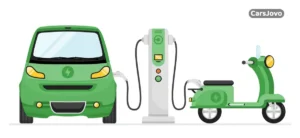
EVs are the most future-proof option, backed by just 5% GST and strong government incentives. If your daily usage is within 100-120 km and you have access to home charging (7.2 kW setup), then an EV is a great choice.
EVs offer quiet, smooth driving, low running costs (₹1.5-₹2 per km), and zero tailpipe emissions, which are more environmentally friendly. However, fast charging infrastructure in India still needs improvement, and charging infrastructure will improve over time, and battery degradation remains a long-term concern, although warranties cover most issues.
Currently, states like Maharashtra also offer toll exemptions and EV benefits, making EVs a more attractive purchase for city users.
Comparison of ownership costs (5-year example).
Assume you drive 12,000 km per year for five years.
Petrol car (e.g., Hyundai Creta (for information only)): ₹6/km fuel + ₹1.5/km maintenance → Total ~₹4.5 lakh
Diesel car: ₹4/km fuel + ₹2/km maintenance → Total ~₹3.6 lakh
EV Cars: ₹2/km (including charging) → Total ~₹2 lakh
Therefore, EV offers the lowest running costs, followed by diesel and then petrol. However, petrol cars win in terms of affordability and ease of use, while EVs require a higher initial investment but pay off in the long run.
Verdict: Which one should you buy in 2025?
Choose petrol if you drive less (less than 30 km/day) and want a lower initial cost and easier maintenance.
Choose diesel if you regularly travel long distances and prefer performance over efficiency.
Choose hybrid if you want the best balance between mileage and performance without worrying about charging.
Choose CNG if you drive mostly in the city and want to save on fuel costs.
Choose EV if you have charging at home and want a clean, low-cost, future-proof option.
Each fuel type has its own advantages and disadvantages – but your choice should be based on your daily driving distance, region and lifestyle. In 2025, with the changing automotive landscape, there really is something for every type of buyer on the market.
FAQs
Which car is the best to buy in India in 2025?
The best car depends on your usage, EV for city driving, diesel for highways and petrol cars for budget buyers.
EV vs Petrol Cars Which is better in 2025?
EVs offer lower running costs and zero emissions, while petrol cars have lower initial costs and easier refueling.
Hybrid vs Petrol Car in India Which should you choose?
Hybrids offer better mileage and efficiency, while petrol cars are cheaper to buy and maintain.
What is the cheapest car fuel type in 2025?
CNG is currently the cheapest fuel option, followed by EV in terms of running cost per kilometer.
Diesel vs EV Which car has lower running costs in India?
EVs have the lowest running costs (₹1.5–₹2/km), while diesel cars have higher running costs of around ₹4/km.
What is the future of EVs in India?
With government support, low GST and expansion of charging infrastructure, the future of EVs in India looks strong. And over time, they will become cheaper, more efficient and more practical.