TVS RTX 300 Price in India (Ex-Showroom)
| Variant | Ex-Showroom Price |
|---|---|
| Base Variant | ₹1,99,000 |
| Top Variant | ₹2,14,000 |
| BTO Variant | ₹2,29,000 |
| 20th Anniversary Edition (Upcoming) | ₹2,34,000 (Estimated) |
Riding a motorcycle in the mountains is always special. The terrain is challenging and scenic, and it reveals a lot about how a bike behaves. But it also hides some truths, especially about city riding, highways, and real-world touring. We first rode the TVS RTX 300 during its launch in Shimla, where the altitude and steep climbs limited our ability to fully understand the bike. Now, after spending several days with it on Indian roads, we finally have answers to the most important questions: how good is the engine, how comfortable is it, and can it really be the one-bike solution for you?
New Platform, New Engine, Big Expectations
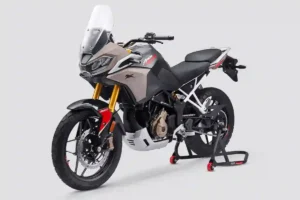
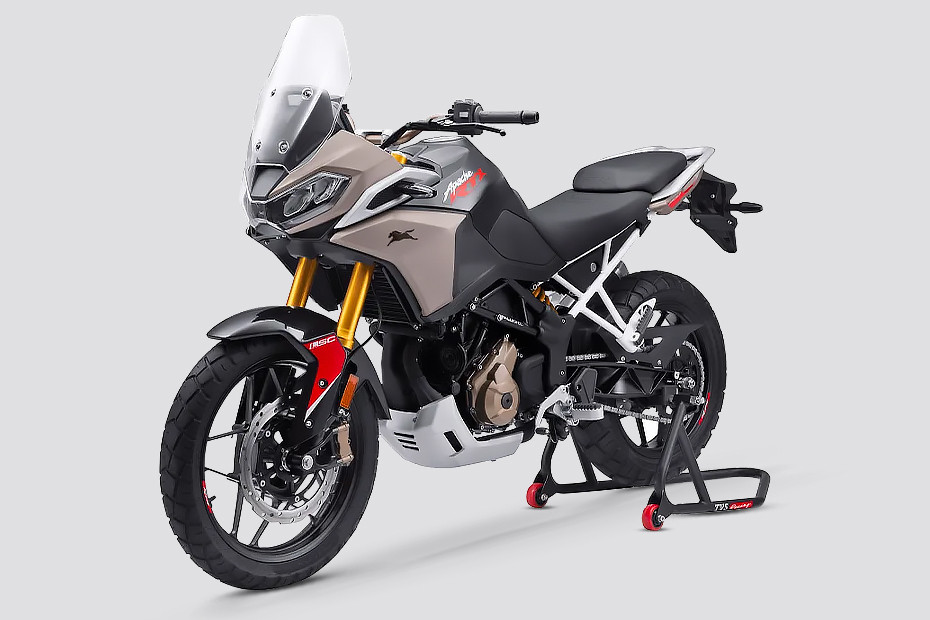
The TVS RTX 300 is built on an all-new platform that gets a trellis frame, long-travel suspension, a 19-inch front wheel, adventure-style design and plenty of electronics. At its heart is TVS’s all-new 299cc single-cylinder engine, an in-house motor that replaces the older 310cc unit co-developed with BMW. This engine will power many future TVS motorcycles.
City Ride: Smooth, Easy and Surprisingly Pleasant
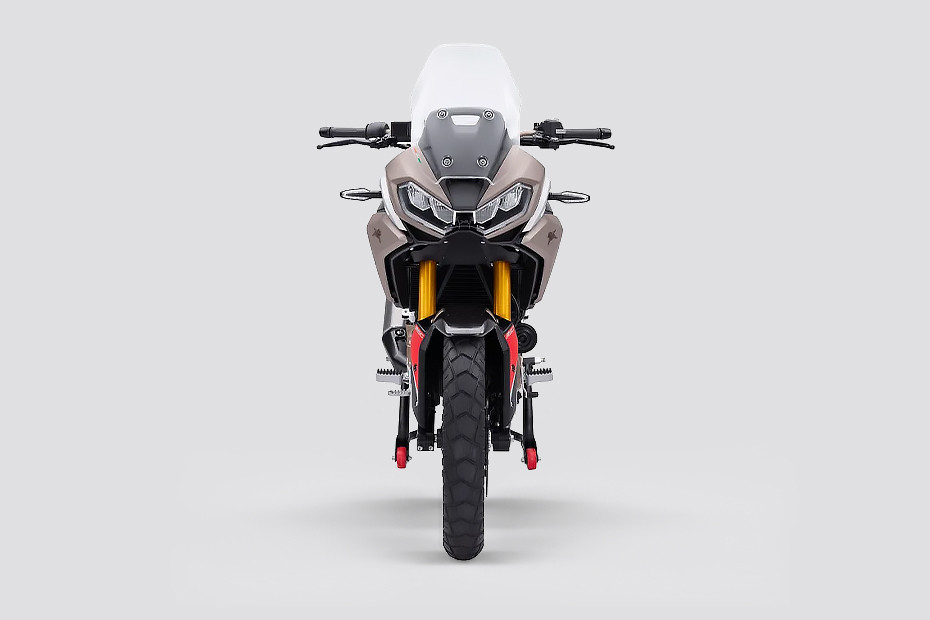
In city conditions, the RTX 300 feels much better than expected. Some riders found the engine lacking bottom-end punch during the Shimla ride, but that is mostly due to the altitude and steep climbs. At sea level, the engine feels well-balanced. It doesn’t have a lazy, torque-heavy bottom end, nor is it a top-end motor. Instead, TVS has tuned it for a strong and useful mid-range.
Once you cross 3,000-4,000 rpm, the bike pulls cleanly and feels light on its feet. The gearing is well-chosen – neither too short nor too tall, making for a smooth ride in traffic. Heat management is excellent thanks to TVS’s fully enclosed ducting system that removes hot air from the rider’s feet. Even in traffic, there’s rarely any noticeable heat, which is impressive for a liquid-cooled single.
The clutch is moderately light, the gearbox is slick, and the quickshifter works well for the most part. Fueling is easy overall, though there is a very slight throttle lag in some situations. Sometimes the hesitation seems to be linked to quickshifter sensitivity rather than traction control, and turning the quickshifter off eliminates the problem.
Refinement, Vibration, and Performance
Refinement is a strong point. The handlebars remain largely vibration-free, even at high revs. A slight tingle can be felt in the footpegs and fuel tank at high RPM, but nothing jarring. Compared to the old 310 engine, this motor feels smoother and more comfortable over long distances.
In terms of performance, the RTX 300 sits nicely between 250cc and 400cc motorcycles. It manages 0-100 km/h in less time and delivers strong acceleration in gear. It offers good fuel efficiency when driven quietly, especially at cruising speeds of 75-80 km/h.
Highway touring offers a quiet, confident and comfortable ride
On the highway, the RTX 300 really shines. At 100 km/h in sixth gear, the engine sits comfortably at around 6,500 rpm and feels comfortable. Even 120 km/h is manageable without harsh vibrations. TVS has electronically limited the top speed to around 145 km/h, which may disappoint drag-race enthusiasts but makes sense for a touring-focused ADV.
The seating position is excellent. There is plenty of room to move around, wide handlebars and a neutral position that is comfortable for hours on end. The windscreen provides good wind protection without excessive buffeting, and the seat itself is well-cushioned for long rides.
Features that boost its touring credentials
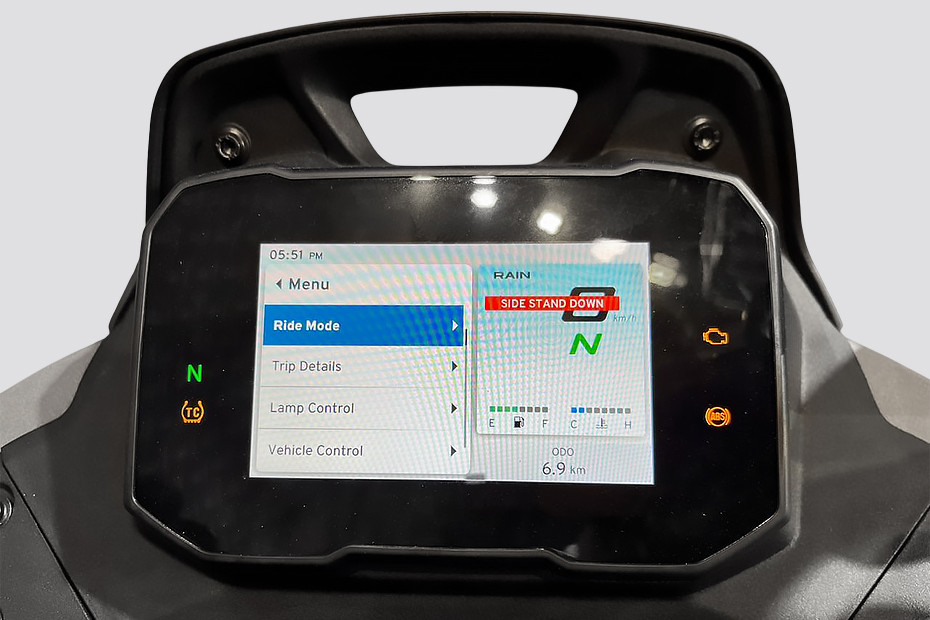
The RTX 300 is packed with features. A 5-inch TFT display comes standard, with customizable widgets and intuitive controls. Cruise control is available, and higher variants get adaptive headlamps that adjust brightness based on speed. The headlight performance is good, easily one of the best in its class.
Seat height, fuel tank and practicality
At 835 mm, the seat height is on the tall side and may be challenging for riders under 5’7. However, the bike is not top-heavy, which makes it easier to manage than its size suggests. It gets a 12.5-litre fuel tank which may seem small for a touring ADV, but a real-world range of over 250 km should be there.
Handling, suspension and off-road capability
Handling is the highlight of the bike, as expected from TVS. The RTX 300 feels stable, confidence-inspiring and keen in corners despite its tall stance. Grip levels feel good, and the bike remains composed even when pushed.
The suspension is outstanding, currently the best in India. The adjustable setup of the BTO variant allows for fine-tuning and the bike remains smooth and controlled even on broken roads. Off-road, the suspension again does the heavy lifting. While it’s not a hardcore off-roader like the Himalayan or the KTM 390 Adventure with 21-inch wheels, it’s far from a poser and can confidently handle rough terrain.
Standing ergonomics could be better, as the footrest positioning makes it less natural to grip the bike with your feet. However, for the type of touring and travel that most buyers will be doing, this isn’t a deal breaker.
Breaks

The biggest disappointment is the front brake. It seems to lack bite and feedback, a wooden feel on the liver. While braking performance is adequate and the ABS works well, it doesn’t inspire confidence. But interestingly, the rear brake is excellent, offering good modulation and control.
Quality and accessories
Overall build quality is very good, with only minor cosmetic issues such as budget-looking stickers and minor inconsistencies in the handguard stamping. Accessories like crash guards, handguards, racks and beaks are reasonably priced, making customization easy even on the base variant.
Final Judgment
TVS calls the RTX the “Rally Tourer Extreme” and while it’s not a true rally bike, the “extreme” part certainly applies to its value. Starting at around ₹2 lakh (ex-showroom), the RTX 300 offers an incredible motorcycle for the money. Step up to the variants and you get features like quick shifter, adaptive headlamps, Bluetooth connectivity, adjustable suspension, TPMS and more.
Among the latest value-packed motorcycles like the Speed 400 and the Pulsar NS400, the RTX 300 delivers the biggest wow factor. It looks bigger, more premium and more expensive than it actually is. For riders looking for a comfortable, comfortable, capable touring motorcycle that can handle rough roads with ease, the TVS RTX 300 is truly the most impressive motorcycle you can buy today.
TVS RTX 300 Pros and Cons
✅ Pros
- Excellent ride quality and suspension setup
- Smooth, refined touring-friendly engine
- Features-loaded for the price
- Comfortable ergonomics for long rides
- Very effective heat management
- Excellent value for money
- Provides premium road presence and design
❌ Cons
- Front brakes lack responsiveness and responsiveness
- High seat height makes it more suitable for shorter riders
- Fuel tank capacity could be larger
- Standing ergonomics not ideal for hardcore off-road use
- Negative price cut in stickers and plastics

TVS RTX 300 vs Rivals: Quick Comparison
| Bike | Engine | Weight | Strength |
|---|---|---|---|
| TVS RTX 300 | 299cc | ~180 kg | Best features & suspension |
| KTM 390 Adventure | 373cc | ~177 kg | Performance & off-road ability |
| Royal Enfield Himalayan 450 | 452cc | ~196 kg | Torque & ruggedness |
| Triumph Speed 400 | 398cc | ~176 kg | Refinement & road manners |